How Underground Mole Tunnels Damage Lawns and Irrigation Systems
People searching for yard mole removal aim to stop tunnels that damage lawns and irrigation systems, and local service providers can help eliminate moles and protect your yard.
If you’ve noticed uneven patches, sinking areas, or unexplained damage to your lawn, underground mole tunnels might be the cause. These small creatures often burrow beneath the surface, creating intricate tunnel systems that can undermine the stability of your yard and interfere with irrigation setups. Property owners in the area who value a healthy, lush landscape understand how disruptive these tunnels can be, especially when they compromise sprinkler lines or create uneven ground that makes maintenance more difficult. Exploring how underground mole tunnels damage lawns and irrigation systems can help you identify potential issues early on and consider effective solutions.
Local contractors specializing in yard mole removal are equipped to address these underground tunnels and mitigate their impact. They can assess the extent of the damage, safely remove mole activity, and help restore the integrity of your lawn and irrigation system. If you’re concerned about the effects of mole tunneling on your property, learning more about this topic and connecting with experienced service providers can be a practical step toward protecting your landscape. Keep reading to discover how these tunnels develop, the problems they cause, and how local experts can assist in resolving the issue.
- Homeowners noticing uneven lawns or damaged irrigation lines may need mole removal services, which local contractors approach by carefully excavating and removing tunnel systems. - When underground mole tunnels threaten sprinkler systems or garden beds, local pros can assess the damage and implement effective removal strategies. - Signs of soil disturbance or burrowing activity can indicate mole activity that compromises lawn integrity, prompting local service providers to address the issue promptly. - If mole tunnels cause water drainage problems or create uneven ground, local contractors utilize targeted removal techniques to restore lawn health. - Detecting persistent mole activity damaging underground irrigation components often leads homeowners to seek mole removal services from experienced local specialists.
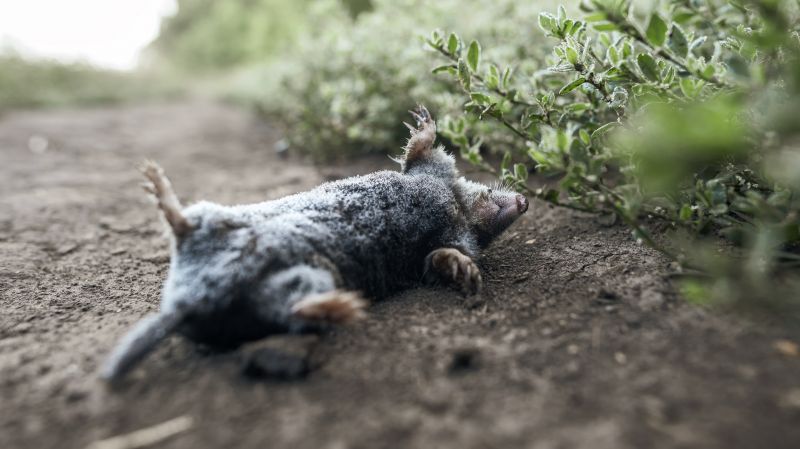
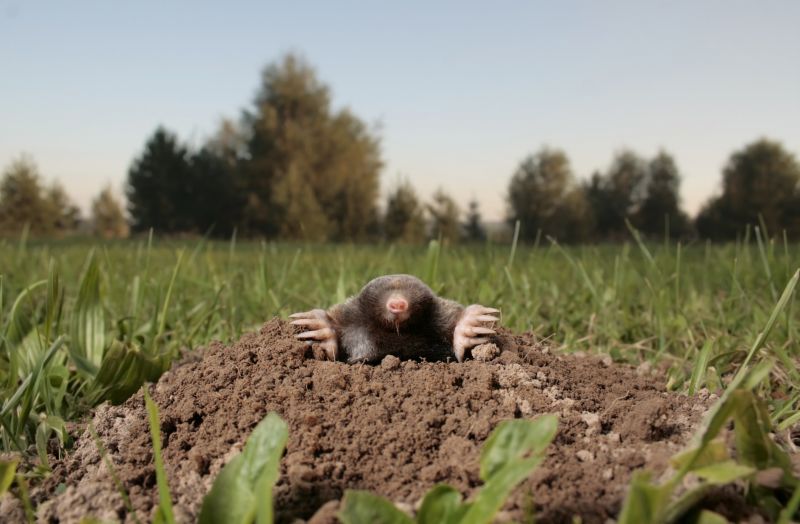
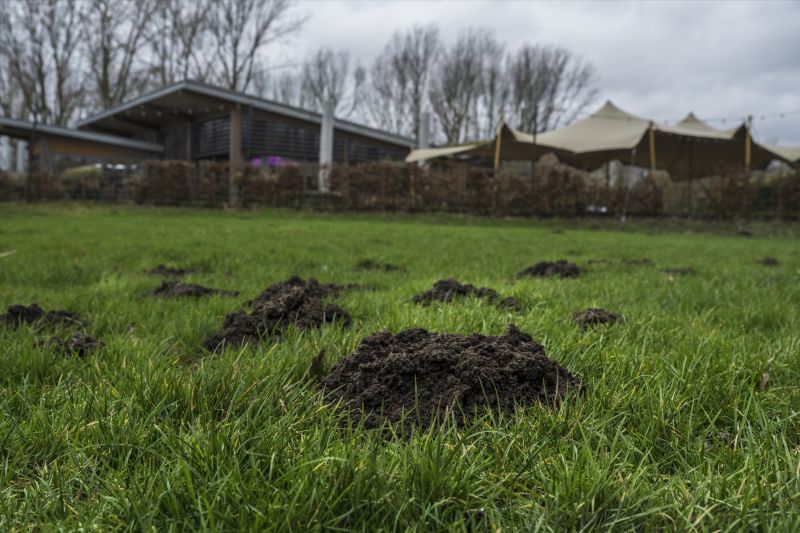
Understanding how underground mole tunnels damage lawns and irrigation systems is a common concern among homeowners who notice uneven patches, unusual mounds, or compromised watering patterns in their yards. When homeowners search for this topic, they often seek explanations for sudden changes in their lawn’s appearance or function, especially if they observe areas where grass dies or irrigation sprays become irregular. These tunnels are created by moles burrowing beneath the surface, which can disturb the soil structure and cause physical damage to underground components. Recognizing these signs helps property owners determine whether moles are the cause of their lawn issues and if professional mole removal services are needed to restore the yard’s health.
The problems related to underground mole tunnels extend beyond just surface disruptions. Moles tend to create extensive networks of tunnels that can weaken the soil’s integrity, leading to uneven ground and increased susceptibility to erosion. For irrigation systems, these tunnels can interfere with sprinkler lines, valves, and other underground components, causing leaks, blockages, or misaligned spray patterns. Property owners with plans to maintain or upgrade their lawns and irrigation setups often find that mole activity complicates these projects. Addressing the damage early can prevent costly repairs or replacements, making the involvement of experienced service providers essential for effective mole removal and soil stabilization.
Properties affected by underground mole tunnels typically include residential lawns, landscaped yards, and even commercial properties with extensive greenery. These areas often feature lush grass, flower beds, or vegetable gardens that rely on consistent watering and soil stability. Lawns with a history of mole activity may develop visible signs such as raised ridges, surface mounds, or areas of dead grass where tunnels have disturbed the root zones. Irrigation systems installed beneath these properties are also vulnerable, especially if the tunnels compromise the integrity of sprinkler lines or control valves. Property owners planning to maintain a healthy, even lawn or install or repair underground irrigation systems should consider the potential impact of mole activity and seek professional assistance to address the issue effectively.
Local service providers specializing in yard mole removal play a crucial role in resolving these problems. They can assess the extent of underground tunnels and recommend targeted solutions to eliminate moles and prevent future activity. By removing the moles and their tunnels, these professionals help restore soil stability, improve the effectiveness of irrigation systems, and promote a healthier lawn environment. Property owners dealing with the effects of underground mole tunnels can benefit from connecting with experienced contractors who understand the local ecosystem and have the tools necessary to handle subterranean pest activity. Proper removal and management ensure that lawns remain lush and irrigation systems function properly, reducing the risk of ongoing damage caused by mole tunnels.
Gopher and burrowing pest control - professionals who manage underground pests often use similar excavation tools and planning skills as those needed to address mole tunnels that damage lawns and irrigation systems.
Landscape drainage installation - this project involves careful planning and trenching to prevent water damage, paralleling the work required to repair damage caused by underground mole tunnels.
Sprinkler system installation and repair - local contractors working on irrigation systems often need to identify and fix underground disruptions, similar to addressing damage from mole tunnels.
Soil aeration and core removal services - these projects require understanding soil structure and underground pathways, which relates to managing and repairing damage caused by mole tunnels.
Underground utility line installation - contractors use excavation techniques that are comparable to those needed for mole tunnel detection and repair to prevent damage to irrigation systems.
Garden and lawn excavation services - these projects involve digging and soil disturbance skills that are also useful when dealing with underground mole tunnels and their impacts on lawns and irrigation.
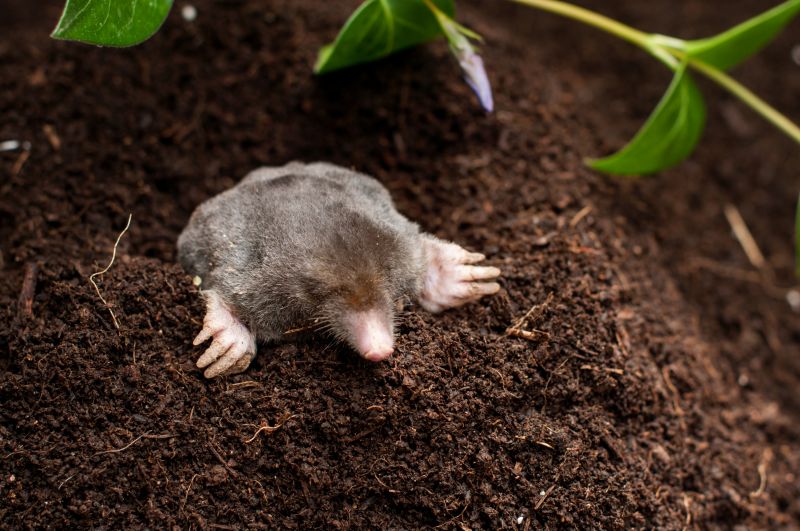
When comparing service providers for yard mole removal, it is important to consider their experience with similar projects, particularly those involving underground mole tunnels and the resulting damage to lawns and irrigation systems. Contractors who have handled comparable situations are more likely to understand the complexities involved and provide effective solutions. Asking about their past work with mole-related issues can help gauge their familiarity with the specific challenges posed by underground tunnels, such as soil disruption and potential damage to sprinkler lines or underground utilities.
Clear written expectations are essential when evaluating local contractors for mole removal services. A reputable provider should be able to outline the scope of work, including how they plan to locate and eliminate mole activity, how they will address existing damage to lawns and irrigation components, and any follow-up measures needed to prevent future tunneling. Having detailed, written descriptions of the process helps ensure that both parties understand what will be done and can serve as a reference throughout the project.
Reputable references and effective communication are key factors in selecting the right service provider. Reliable contractors should be able to provide references from previous customers who experienced similar issues with underground mole tunnels and lawn damage. Good communication involves prompt responses to questions, clear explanations of the methods used, and transparency about procedures. This level of professionalism can help homeowners feel confident that the chosen local pros are capable of handling the job thoroughly and with attention to detail, ultimately protecting the lawn and irrigation systems from ongoing damage.
Property owners often search for how underground mole tunnels damage lawns and irrigation systems when they are planning practical projects around their homes and businesses. Local pros provide Yard Mole Removal services for everyday jobs and straightforward project options.
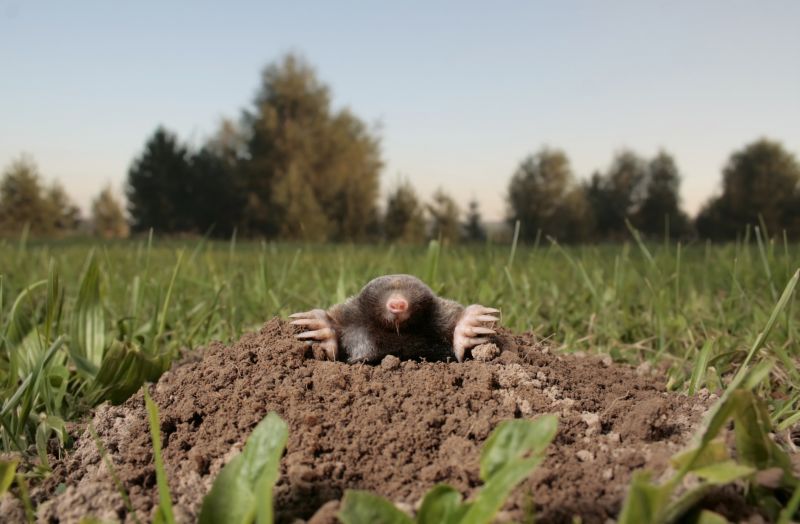
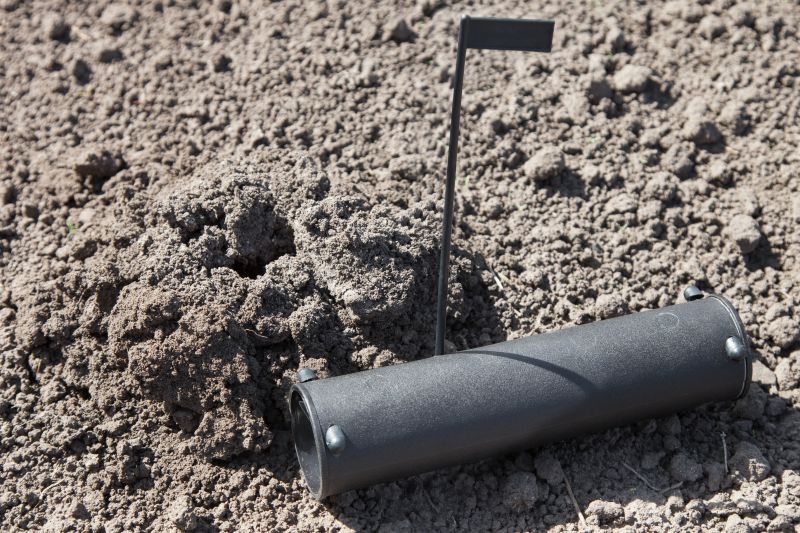
Underground mole tunnels can cause significant damage to lawns and irrigation systems, especially in residential areas where yard maintenance is a priority. As moles create extensive networks beneath the surface, their tunnels can disrupt the evenness of the grass, leading to unsightly mounds and uneven patches. These tunnels may also interfere with underground irrigation lines, causing leaks or blockages that reduce watering efficiency and can lead to costly water waste or damage. Property owners noticing unusual bumps or areas that don’t absorb water properly might seek out local contractors experienced in yard mole removal to address these issues before they worsen.
For homeowners dealing with the consequences of underground mole activity, professional yard mole removal services are often the most effective solution. Local service providers can evaluate the extent of the tunneling and recommend appropriate removal methods to restore the lawn’s integrity and protect irrigation systems. Addressing these underground tunnels promptly can prevent further damage, improve yard appearance, and maintain the functionality of irrigation setups. Property owners considering such services typically look for experienced local contractors who understand the specific challenges posed by underground mole tunnels in their area.
How do underground mole tunnels damage lawns? Underground mole tunnels can cause uneven ground surfaces, creating ridges and depressions that disrupt the appearance and integrity of a lawn. Local contractors experienced in yard mole removal can identify and eliminate these tunnels to restore the lawn's smoothness.
In what ways do mole tunnels affect irrigation systems? Mole tunnels may interfere with underground irrigation lines, leading to leaks, blockages, or broken pipes. Service providers can inspect and repair irrigation systems impacted by mole activity to prevent water wastage and system failure.
Why is it important to remove mole tunnels promptly? Prompt removal of mole tunnels helps prevent further damage to the lawn and irrigation infrastructure, reducing the risk of costly repairs. Local pros can efficiently locate and eliminate active mole tunnels to protect outdoor systems.
Can mole tunnels cause long-term damage to a lawn? Yes, if left untreated, mole tunnels can weaken the soil structure, promote weed growth, and cause ongoing unevenness. Yard mole removal specialists can address these issues to maintain a healthy, level lawn.
How can local service providers help prevent future damage from moles? Experienced contractors can implement mole control strategies and repair damage caused by tunnels, helping to safeguard lawns and irrigation systems from ongoing underground activity.
Identify underground mole tunnel locations - property owners can work with local contractors to locate tunnels that may be hidden beneath lawns and irrigation lines.
Assess damage to irrigation systems - professionals can evaluate how mole tunnels have compromised sprinkler lines and recommend repairs or rerouting.
Implement mole removal strategies - property owners can coordinate with local pros to safely eliminate moles and prevent further tunnel damage.
Restore lawn integrity - experts can help repair turf and reseed areas affected by tunnel activity to maintain a healthy, even lawn.
If you are thinking about how underground mole tunnels damage lawns and irrigation systems for a property, this guide is meant to help you understand this topic, the typical project types, and how different options might fit your plans.
When you are ready, you can use the quote form on this page to share a few details about your project. From there, local pros can review the basics and follow up with options that match what you have in mind.